Why your kitchen doesn’t work as well as it should
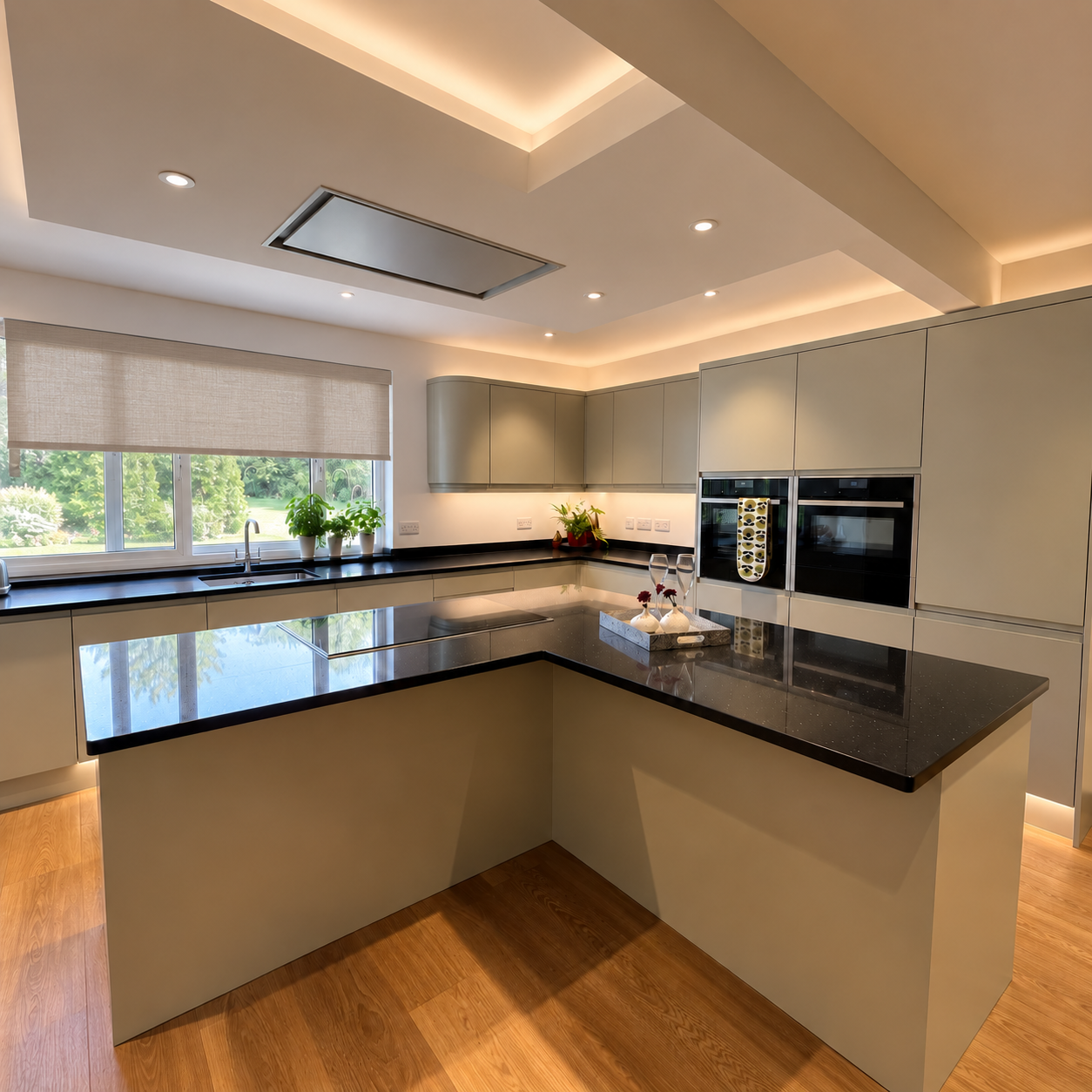
A beautiful kitchen should do more than look good. It should work for the way you live.
The kitchen is one of the hardest-working rooms in our homes. It’s where we make the first cup of tea, prepare meals, unpack shopping, feed the family, chat at the end of the day and quite often, leave everything that hasn’t yet found a home. So, when a kitchen doesn’t work well, we notice it.
Perhaps you’re constantly walking across the room to find what you need or the worktop always seems cluttered or someone opens the dishwasher just as you need to get past or everyone ends up standing in exactly the same place while you’re trying to cook.
These things may seem insignificant on their own but when they happen every day, they create friction. This is often the first sign that your kitchen isn’t working as well as it could.
A beautiful kitchen isn’t necessarily a well-designed kitchen
When we think about improving a kitchen, it’s easy to jump straight to how it looks. New cabinet doors. A different worktop. New flooring. Perhaps an island. Maybe even an entirely new kitchen.
Before thinking about what you could change, ask:
What isn’t working now?
A kitchen can look beautiful and still be frustrating to use.
Good kitchen design is about creating a space that supports the way you actually live. That starts with understanding how your kitchen feels, functions and flows.
How does your kitchen feel?
Walk into your kitchen and notice your first reaction. Does it feel calm and inviting? Or does it immediately feel busy?
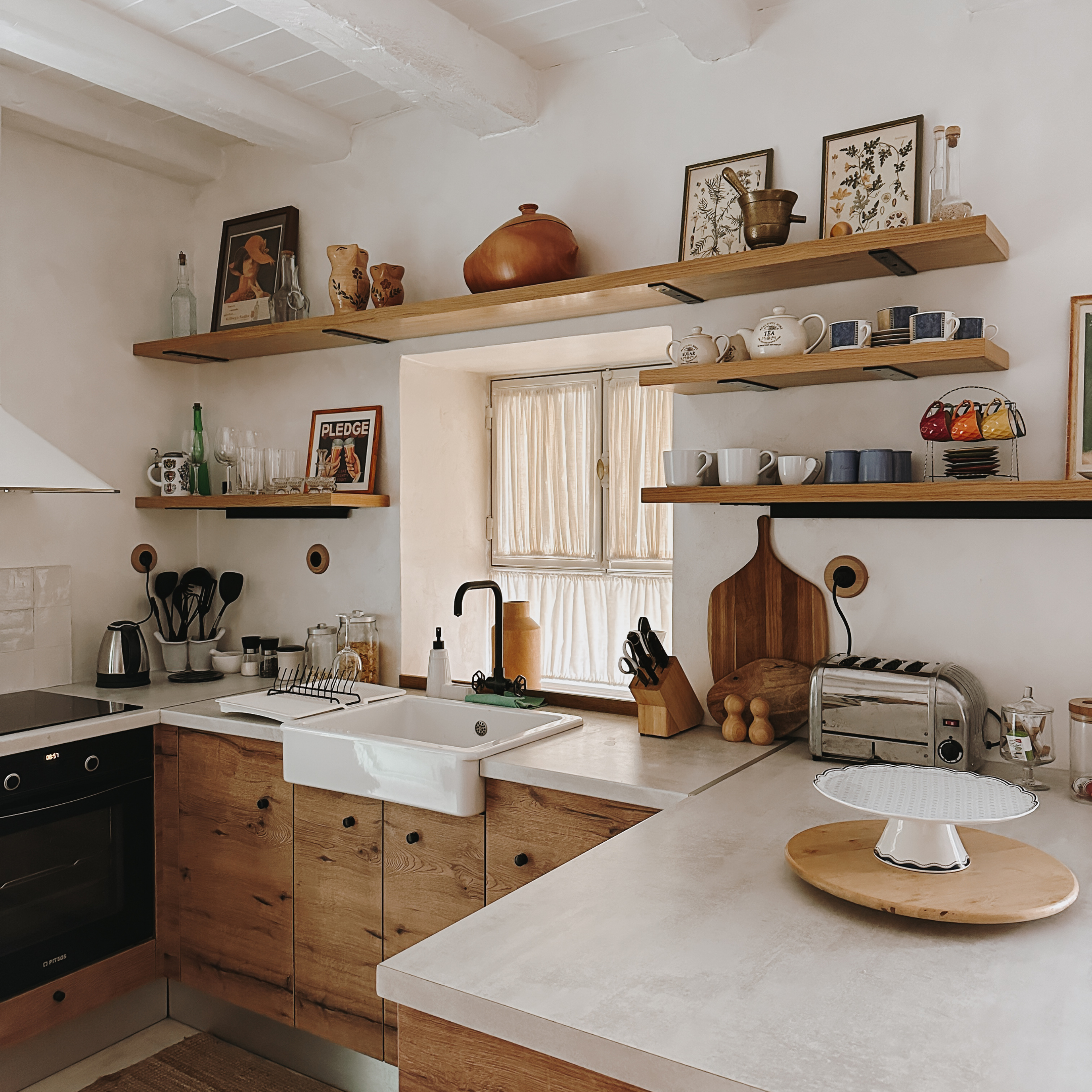
A kitchen doesn’t need to feel perfect. The things we use, display and enjoy all contribute to how a space feels.
Kitchens naturally contain a lot. When too much is visible, even a lovely kitchen can begin to feel cluttered.
Look at your worktops. What genuinely needs to be there? The toaster you use every morning probably earns its place. The appliance you use twice a year probably doesn’t.
Lighting makes a difference too. You need good practical lighting when preparing food but does the room still feel welcoming when the cooking is finished?
A kitchen needs to work hard but it doesn’t have to feel purely functional.
What does your kitchen actually need to do?
We tend to think of kitchens as places for cooking. In reality, they often do far more.
Think about a normal day in yours. Perhaps you make coffee, prepare meals, unload the dishwasher, sort the post and chat to someone sitting at the table or island. Your kitchen might also be a homework space, home office or somewhere to sit with a friend.
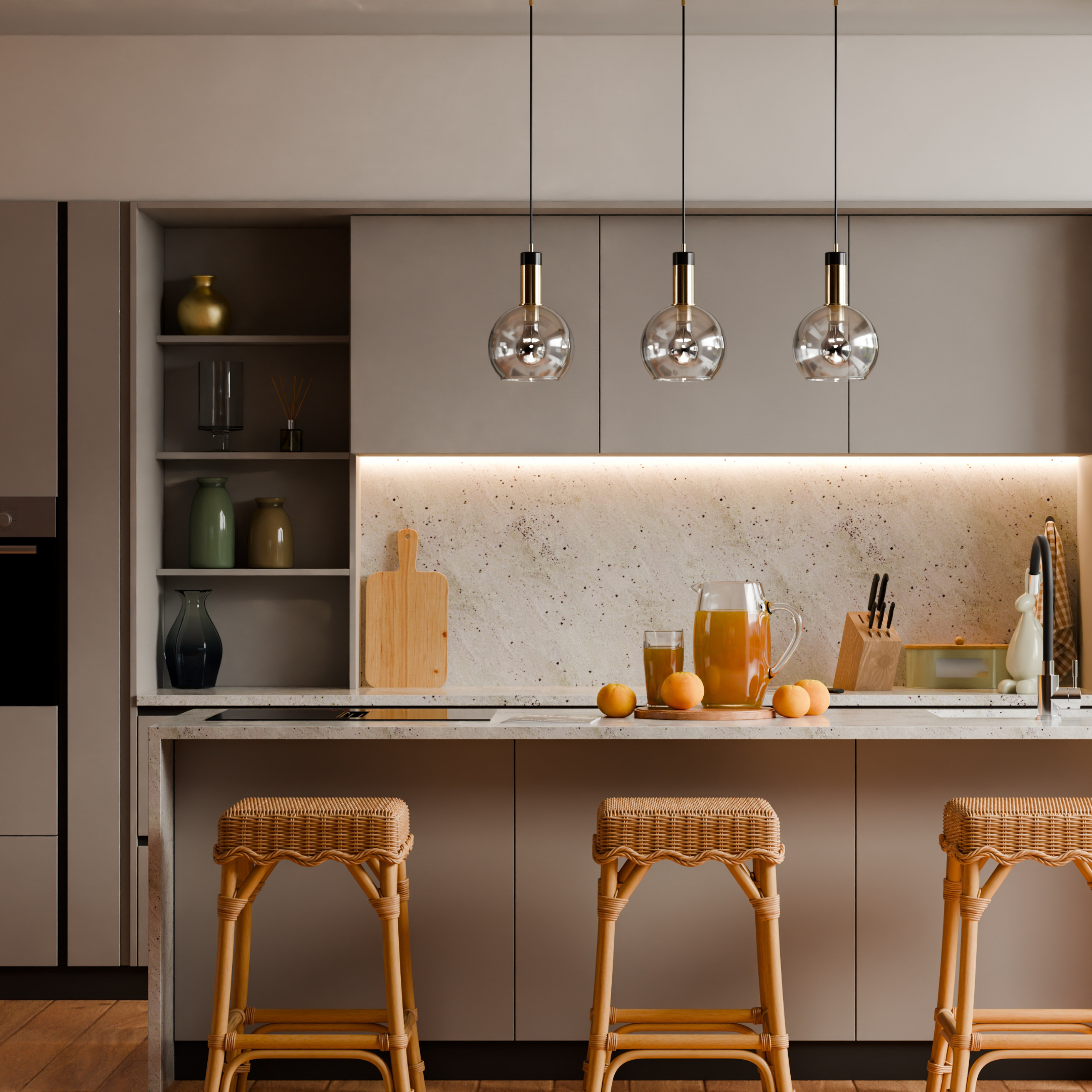
A well-designed kitchen supports more than cooking. It creates space for everyday life, from preparing food to sitting, talking and sharing.
That’s why there isn’t one perfect kitchen layout. The important question is whether your kitchen supports the things you actually do there.
Are the mugs near the kettle? Are plates easy to put away from the dishwasher? Can you reach ingredients from where you prepare food? Do you have a clear stretch of worktop where you can actually cook?
Sometimes the problem isn’t that you need more storage.
It’s that what you already have isn’t organised around the way you live.
Follow your movement
This is where flow becomes particularly important.
Rather than looking at your kitchen as a collection of cupboards and appliances, notice how you move through it.
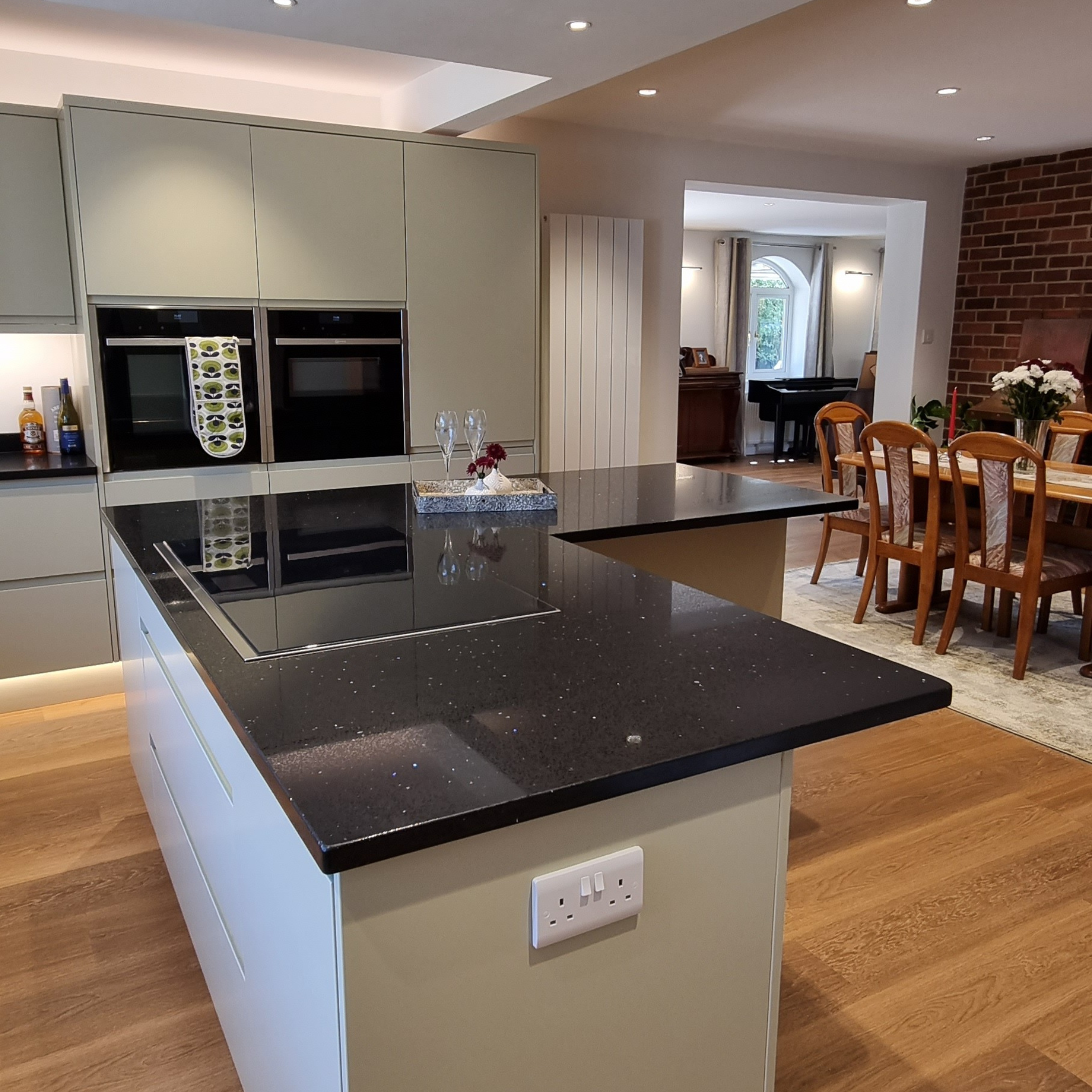
Good flow considers more than the kitchen itself. It’s about how you move through the space and how one area connects to the next.
The next time you make a cup of tea, pay attention. Where do you go for the mug, kettle, tea, milk and sugar? How many times do you cross the room?
Do the same when you prepare a meal. Notice where you naturally want to prepare food and whether other people move through that space.
Perhaps someone sitting at the breakfast bar blocks a cupboard. Maybe the open dishwasher cuts off the route to the sink. Those little journeys can tell you a lot about how well your kitchen works.
Before you change the kitchen, change something small
Once you’ve noticed where the friction is, experiment. Move the mugs closer to the kettle. Put everything you use for breakfast together. Clear one section of worktop for food preparation. Keep the things you use most often in the cupboards that are easiest to reach.
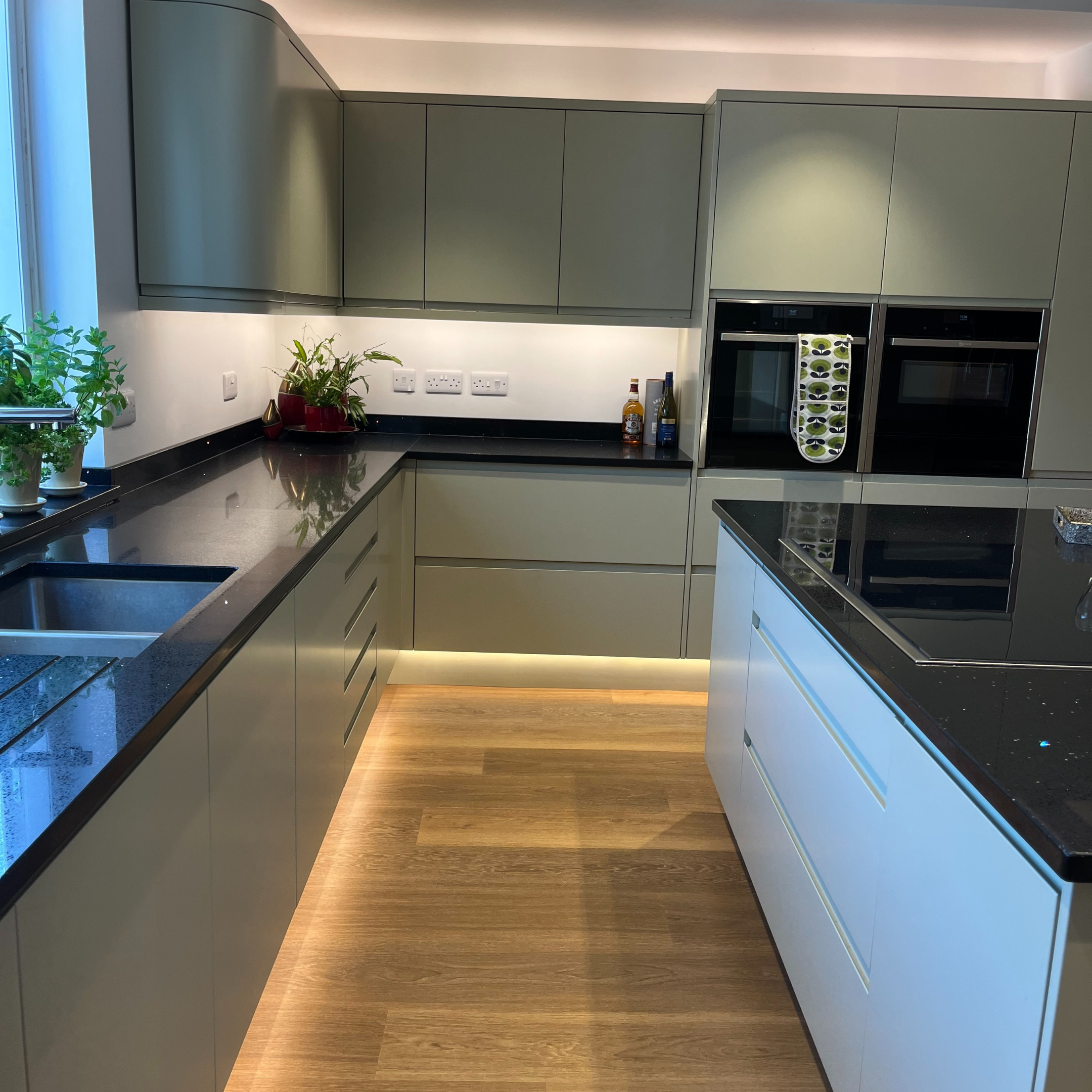
Small changes to where things are kept can make everyday tasks easier and help the kitchen work more naturally.
Then see what happens. Do you walk across the kitchen less? Does the worktop stay clearer? Does the room feel calmer?
You don’t necessarily need to buy anything, sometimes moving one thing is enough to show you what the room has been asking for all along.
And sometimes, the layout really is the problem
Not every kitchen problem can be solved by reorganising a cupboard. If the same frustrations remain, the layout itself may need attention. Perhaps there isn’t enough preparation space. The main route through the room cuts through the cooking area. An island creates an obstacle rather than improving the space.
The difference is that now you know why it isn’t working.
Instead of starting a redesign with colours, worktops and cabinet styles, you can start with the way you want the room to work - that leads to better design decisions.
If you're struggling to understand why a room isn't working, my Home Clarity Session can help you identify the problem and find a clearer way forward.
Start by noticing
Before buying anything or planning a new kitchen, spend a little time observing the one you already have. Notice where things accumulate. Where you keep walking backwards and forwards. Which areas of worktop you naturally use. Where people gather and where they get in each other’s way.
You don’t need to change everything at once.
One small change might make everyday life easier. Or it might help you recognise that something bigger needs to change.
The best kitchen isn’t necessarily the biggest, newest or most expensive.
It’s the one that works for the way you live.
One Room at a Time: Edition 04, The Kitchen
This article is part of my One Room at a Time series, where we explore a different room each month through Feel • Function • Flow.
If you've found these ideas helpful, there's more to explore.
Each edition includes a practical Transformation Guide with simple exercises, designer tips and small changes you can try in your own home.
Join One Room at a Time for practical ideas, monthly inspiration and new Transformation Guides to help you create a home that works for the way you live.