How to create a dining space people want to linger in
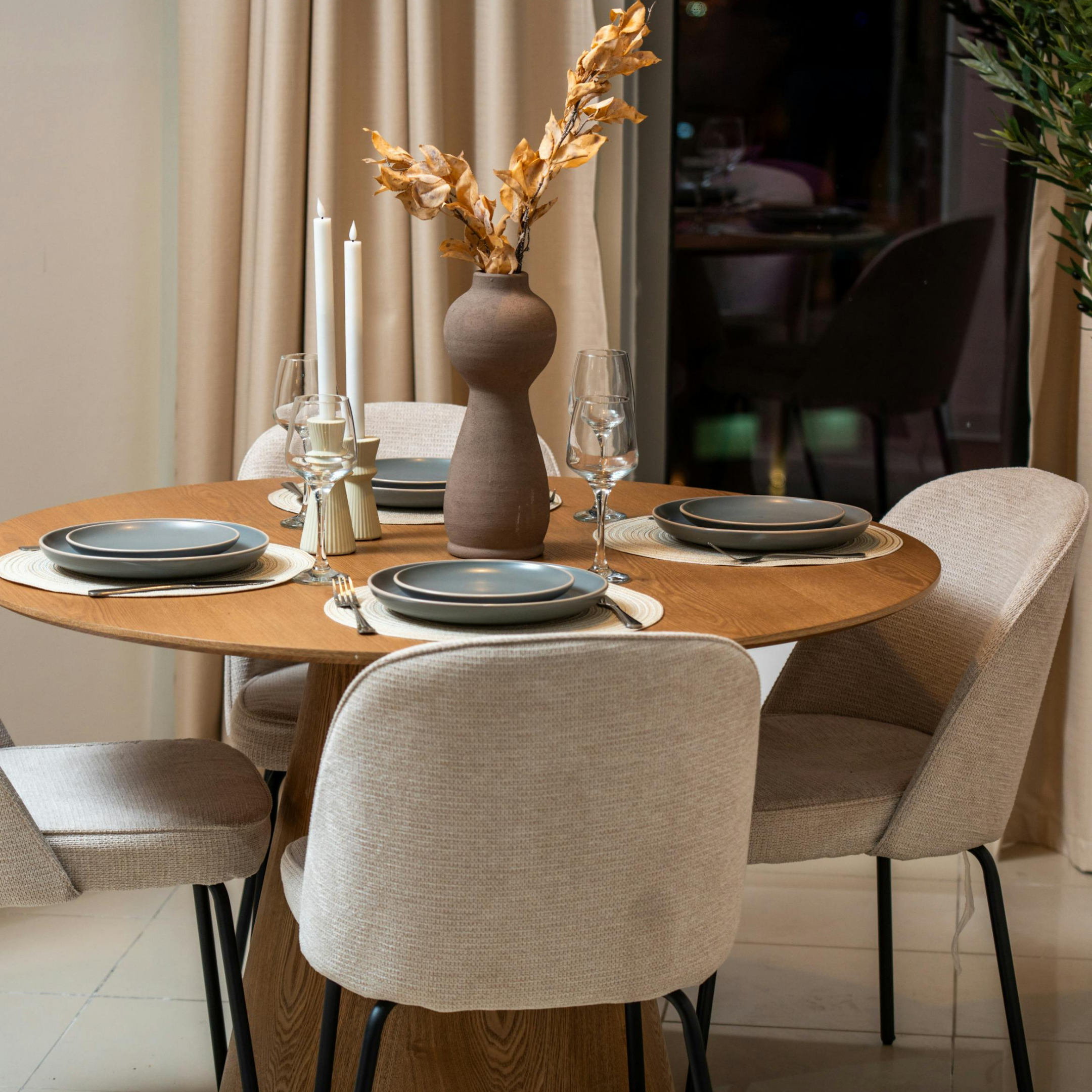
Comfortable seating, soft lighting and enough space to gather can make a dining area somewhere people naturally want to stay.
The dining area is one of the few spaces in our homes designed specifically to bring people together.
And yet, for many of us, it has become one of the spaces we use the least. We eat on our laps in front of the television. The dining table becomes a home office, somewhere to put the post, fold the washing or leave the things we haven't quite found a home for.
And gradually, a space that was intended for gathering becomes somewhere we simply pass through.
But I don't think the answer is to make the dining room more formal or to save it for special occasions. Quite the opposite. A dining area needs to work for real life.
It can be a place to work, do homework or fold the washing, but it should also be somewhere that makes you want to clear a space, pull out a chair and stay for a while.
Start with how you actually use the space
Before thinking about changing the table, buying new chairs or choosing a paint colour, start with a much simpler question:
What is this space actually being used for?
Is it somewhere you regularly sit and eat? Is it your home office during the day?
Does everyone naturally gravitate towards it when friends come over?
Or has the table gradually become a permanent dumping ground?
There's nothing wrong with a dining table having more than one purpose. The problem comes when its temporary uses become permanent and there's no longer room for its original purpose.
Rather than trying to keep the table perfectly clear all the time, look at where the things accumulating there could go instead.
If the post always lands on the table, could there be a bowl or designated place for it in the hallway? If the table is also your desk, could your laptop and paperwork be easily moved at the end of the day or could you keep part of the table available for eating?
Designing around the way you actually live is much more effective than designing around the way you think a dining room should be used.
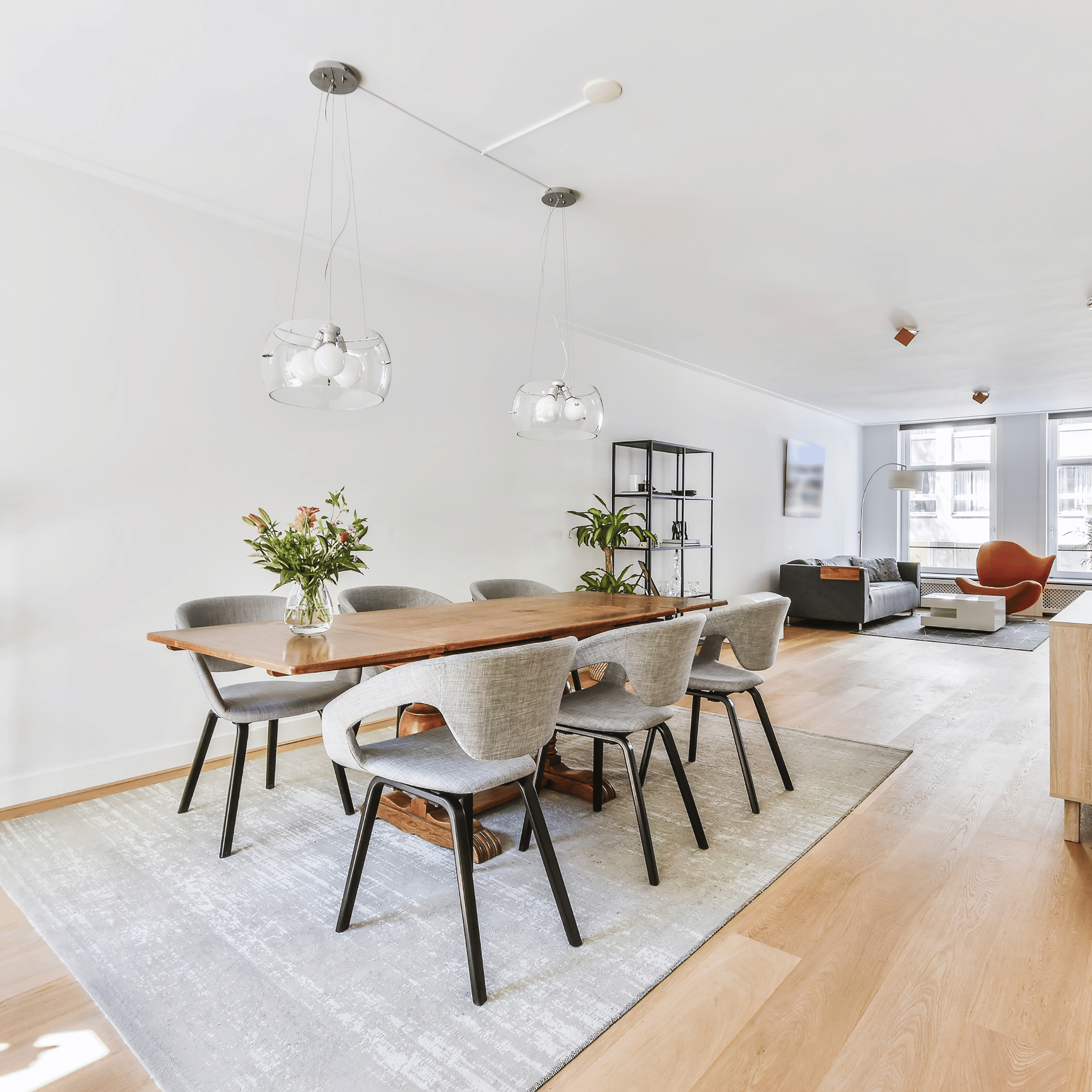
In an open-plan space, a rug and lighting can help give the dining area its own sense of place.
Give people enough room to gather comfortably
One of the most important parts of a dining area isn't actually the table, it's the space around it.
You need enough room for everyone to sit comfortably, pull their chair in and out and move around the table. A table that's too large for the room may give you more places to sit but if nobody can comfortably get into those places, it isn't really working.
When choosing a dining table, start with the size of the room and think about how many people use it most of the time.
An extending table can offer the best of both worlds - smaller and more comfortable for everyday life, with the flexibility to accommodate more people when you need it.
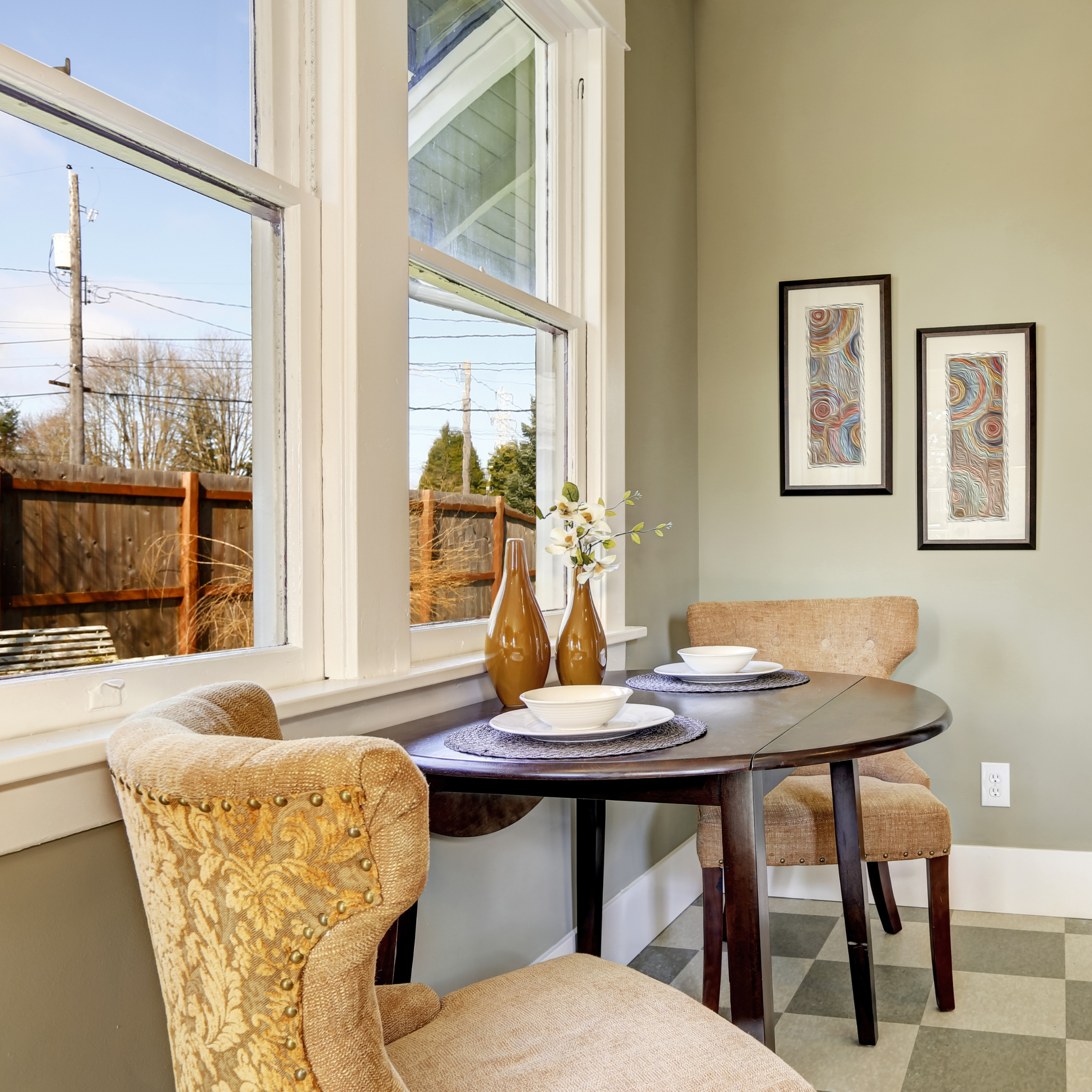
A drop-leaf table can create a practical dining space without taking over the room when it isn't being used.
Consider the shape of the table
I'm particularly drawn to dining tables with softer edges - round or oval rather than strongly rectangular. Visually, they can feel softer in a room and can make movement around the table easier because there are no sharp corners to navigate.
They can also bring people closer together. There's less sense of sitting at opposite ends of a table and conversation can feel more inclusive.
That doesn't mean a round or oval table is right for every dining area. The shape still needs to work with the proportions of the room.
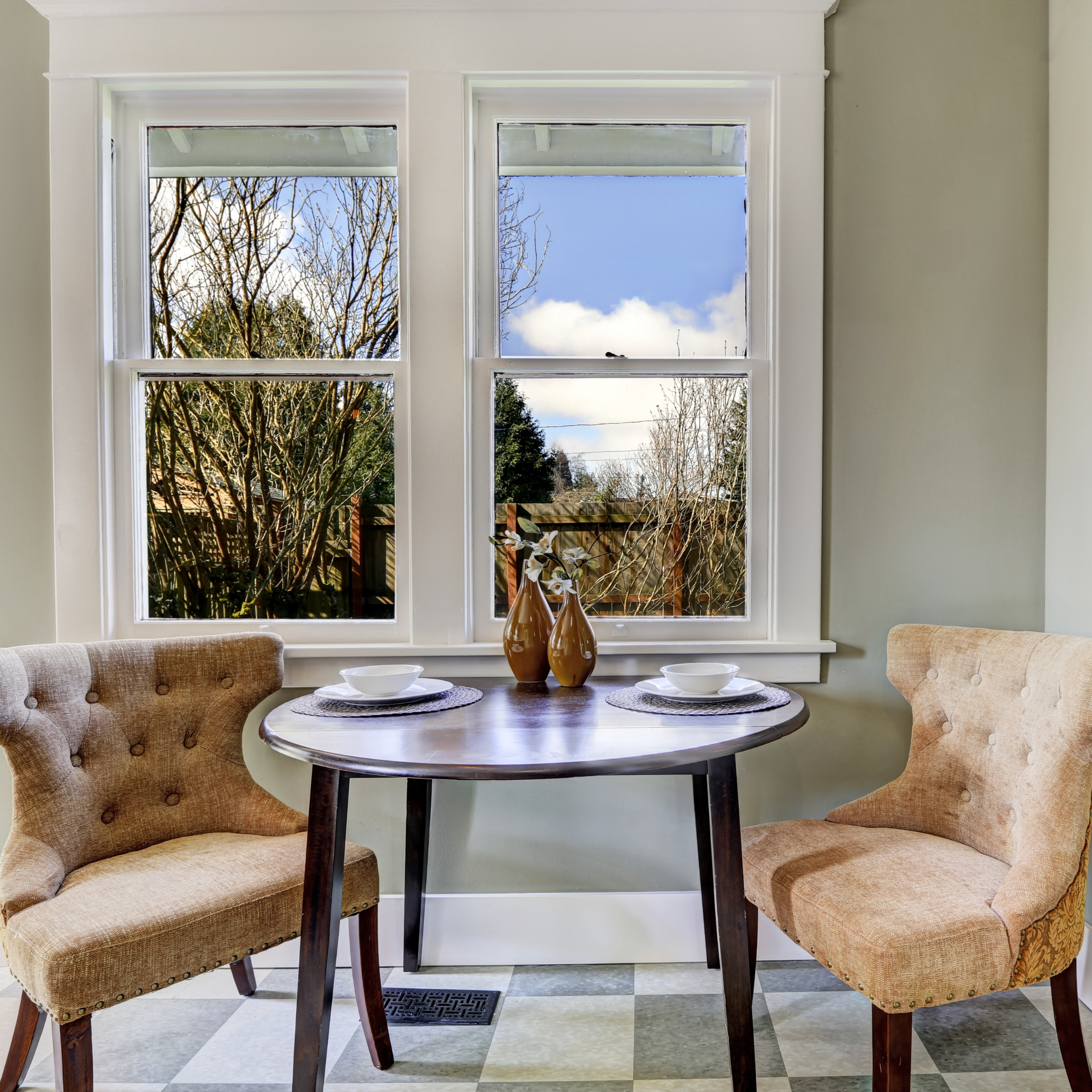
Round and oval tables can soften a space, encourage conversation and make movement around the table easier
Make the chairs somewhere you actually want to sit and linger
It's easy to choose dining chairs because they look beautiful with the table but if they're uncomfortable after twenty minutes, nobody is going to linger over dinner. If you want your dining area to be somewhere people stay, talk and spend time together, comfort matters.
That doesn't necessarily mean large, upholstered chairs. It's about finding the right balance between comfort, the amount of space available and the way the room is used.
Sit in the chair before you buy it if you can. Imagine sitting there for an hour or two rather than simply long enough to eat a meal.
Think about lighting for the time you'll actually use the room
Dining areas are often used most in the evening, yet lighting can be one of the last things we consider. One bright overhead light rarely creates the kind of atmosphere that makes people want to stay. Instead, think about softer, layered lighting.
A light over the table can help define the dining area, particularly in an open-plan space, while lamps and other softer sources of light can create warmth around it.
The aim isn't simply to make the room bright enough to see what you're eating. It's to create an atmosphere that feels warm, relaxed and inviting.
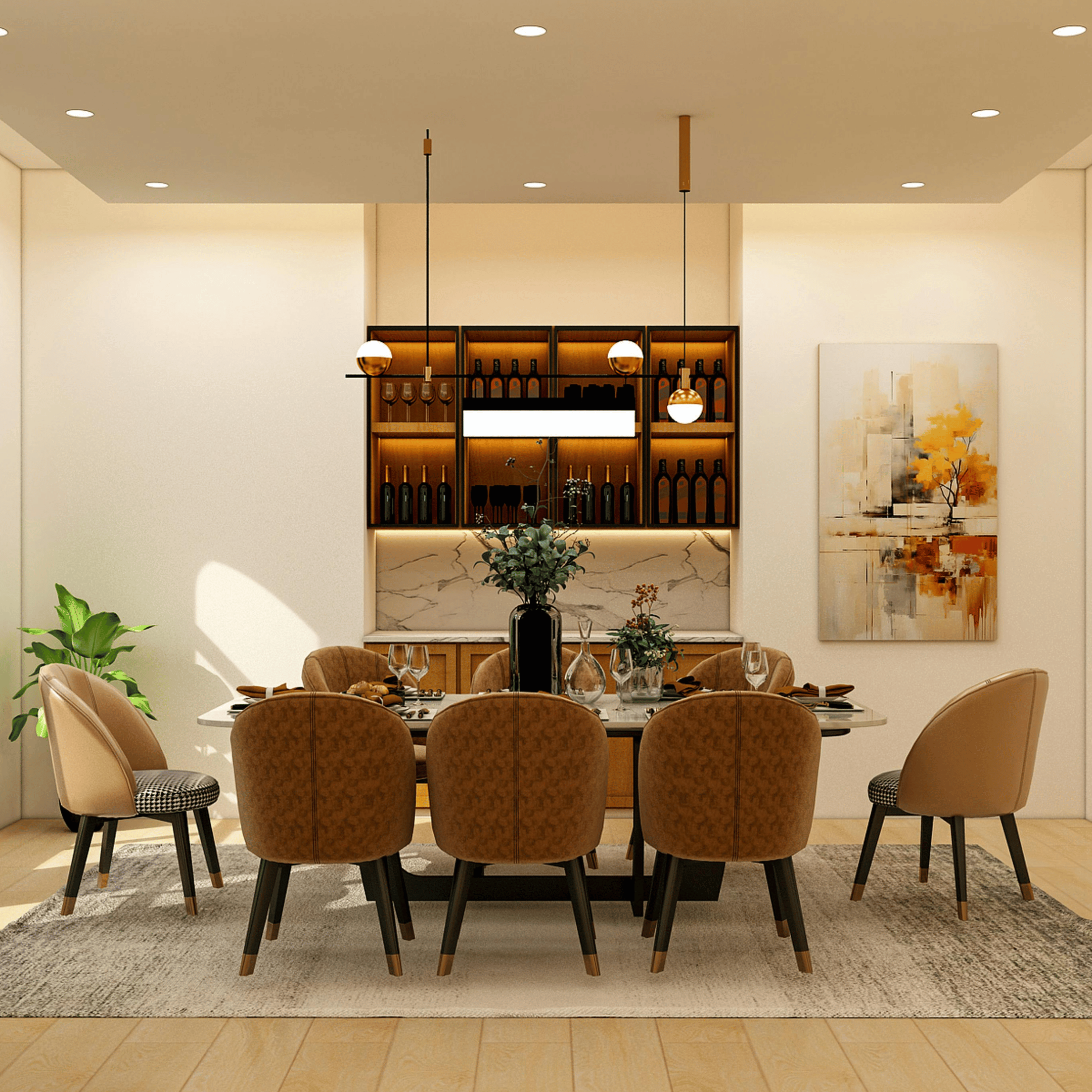
Lighting positioned around the dining table helps define the area and create a warmer atmosphere.
Create a dining area, even if you don't have a dining room
You don't need a separate dining room to create a space that feels intentional.
In an open-plan kitchen or living area, a rug beneath the table can help visually define the dining zone. A change in flooring can do the same, as can lighting positioned specifically over the table.
Even a small area can work. A foldable or half-moon table positioned against a wall can take up very little space day to day and then be pulled out when you want to sit around it.
The important thing is that the dining area feels like it has a purpose rather than simply being a table squeezed into whatever space was left over.
Look at the room from your chair
We often judge a room while we're standing in the doorway. But with a dining area, I'd encourage you to sit down.
What can you see?
Are you looking at a pile of paperwork, a television or the clutter on the kitchen worktop?
Or is there something that makes the space enjoyable to sit in like artwork, a view outside, a plant, candles or a sideboard with objects you love?
Think about the room from the perspective of the people actually using it. It's a small shift, but it can reveal things you don't notice when you're simply looking at how the room appears.
Don't forget how the room sounds
Dining rooms often contain a lot of hard surfaces - flooring, tables, windows and cabinetry. Add several people talking at once and the room can quickly become noisy.
Softer elements such as rugs, curtains and upholstered seating can help soften the space, both visually and acoustically.
This isn't simply decoration. It's about making the experience of being in the room more comfortable.
Create a reason to linger
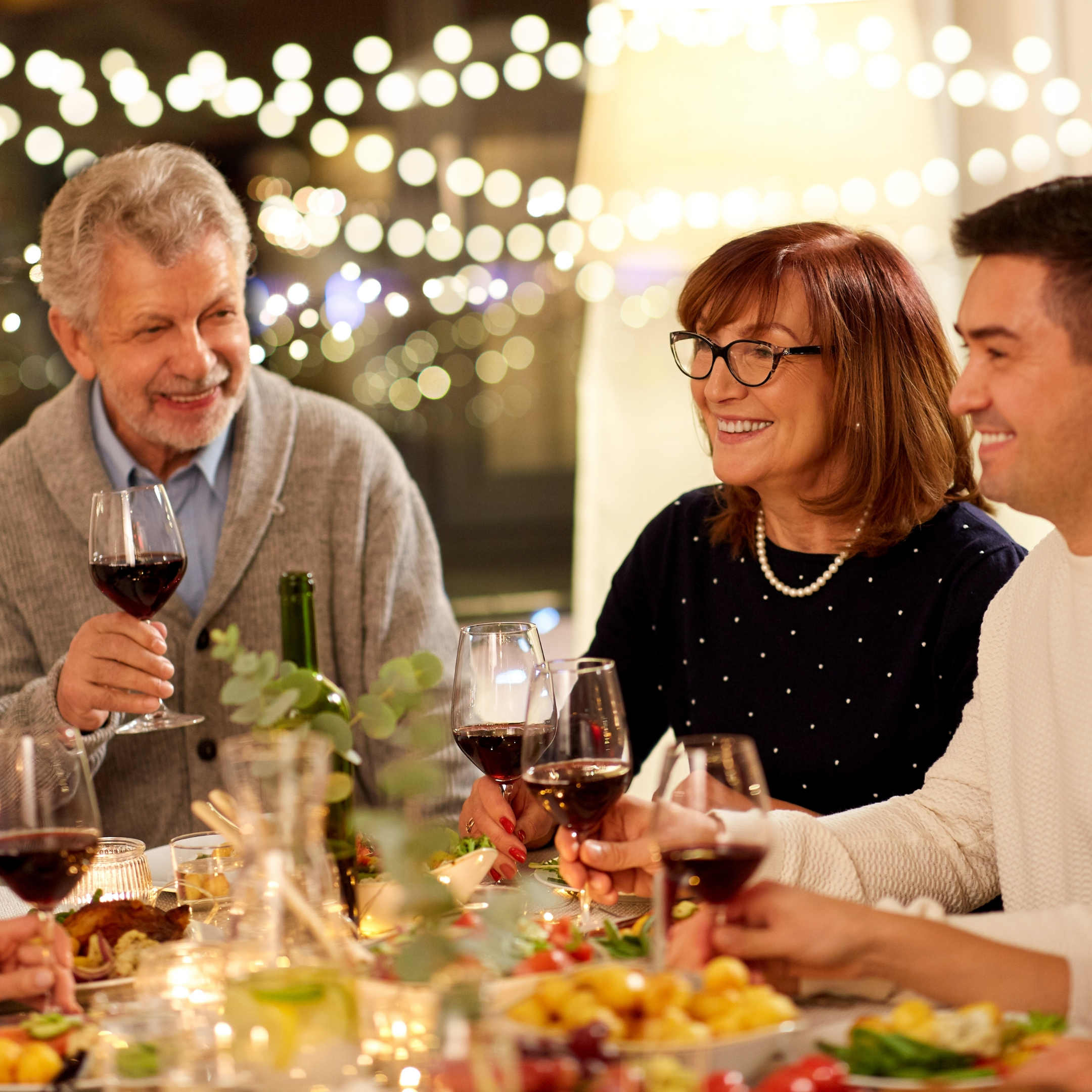
Ultimately, a dining space is less about the furniture and more about what happens around the table.
Ultimately, a successful dining area isn't really about the table, chairs or lighting.
It's about what happens there.
It's somewhere to eat, of course, but it can also be somewhere to work, do homework, play a game, have coffee with a friend or sit talking long after dinner has finished.
We seem to have become less accustomed to simply sitting around a table together. Life is busy, screens are always within reach and eating in front of the television can easily become the default.
Your dining space doesn't need to change that completely, but it can make gathering a little easier. Make the chairs comfortable. Give people room to move. Soften the lighting. Find somewhere else for the clutter to live. Create an atmosphere that makes you want to stay for another five minutes.
A dining room isn't wasted space simply because it isn't used for dining every day. It can have many functions and work just as hard as your living room.
But one of those functions should be bringing people together.
Continue the Journey
This article is part of my One Room at a Time series, where we explore one room each month through the lens of:
Feel • Function • Flow
If you'd like practical ideas, monthly challenges and a downloadable guide to help you transform your own home, join the journey below.