Why your Living Room doesn't help you relax

The living room is supposed to be where we switch off. It's where we sink into the sofa after a long day, spend time with family, enjoy quiet evenings and recharge before tomorrow begins.
For many people, it doesn't feel like that at all. Instead, there's a sense of restlessness.
You sit down... yet never quite switch off.
You reach for your phone. You wander into another room. You tell yourself you'll relax once you've finished just one more thing.
And somehow, the room that's meant to help you unwind never quite does.
Most people assume the answer is buying a new sofa, repainting the walls or replacing the cushions.
But what if that isn't the problem?
What if your living room simply isn't supporting the way you actually live?
Relaxing isn't just something we do
We often think relaxation is a decision. "I need to relax." "I should switch off." "I just need to slow down."
Our surroundings have far more influence than we realise; every room shapes the way we think, feel and behave.
The living room is perhaps the best example of this. It's where many of us spend most of our time at home, so it has a huge influence on how comfortable, connected and relaxed we feel.
It's where we watch television.
Read.
Work.
Fold laundry.
Play with children.
Charge phones.
Answer emails.
Chat with friends.
Somewhere amongst all of that, it's also supposed to be the place where we relax.
It's hardly surprising that many living rooms struggle to fulfil each and every role.
What is your Living Room encouraging you to do?
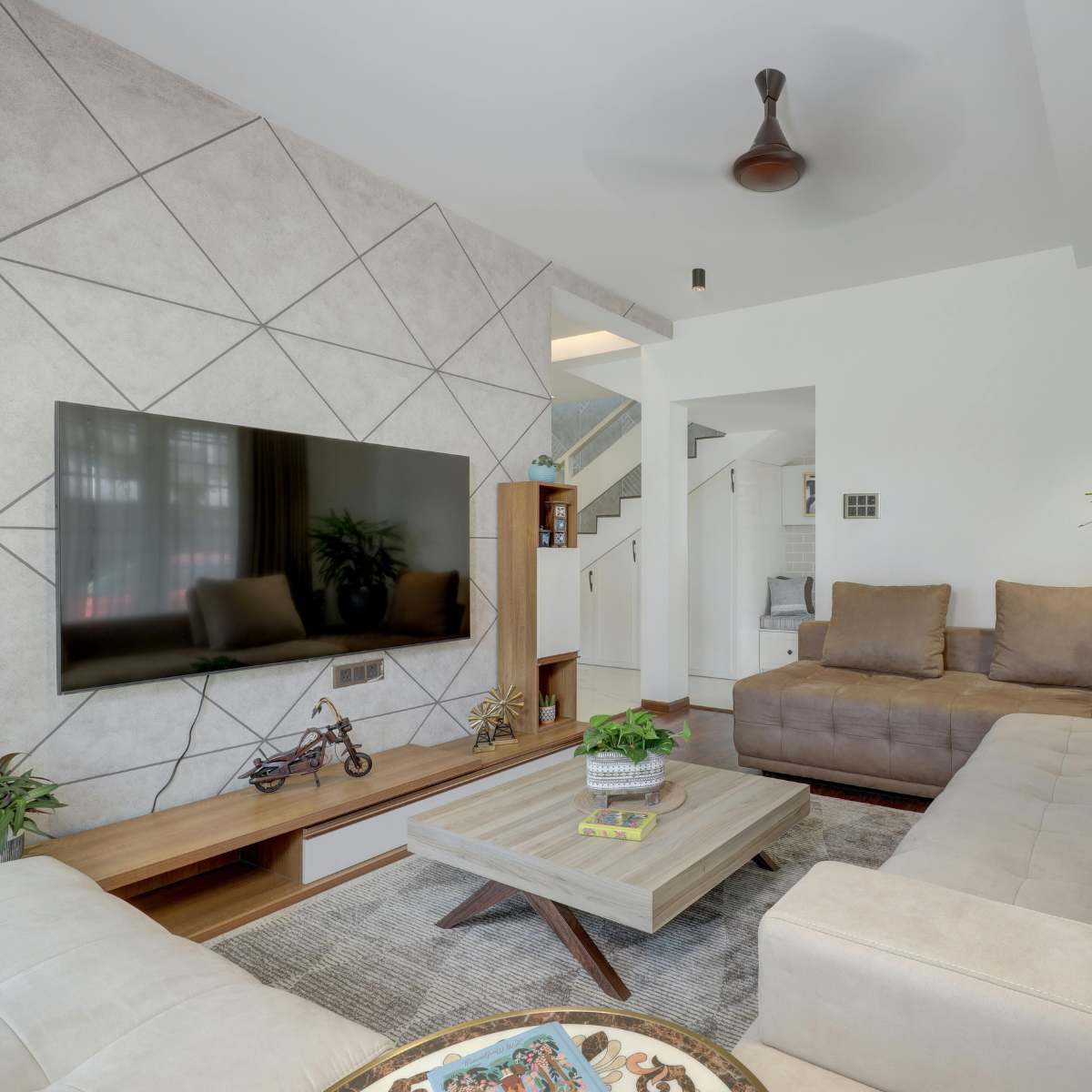
What is your living room encouraging you to do?
One of the first things I notice when I walk into a living room isn't the furniture or the colour scheme.
It's where the room naturally draws your attention. In many homes, every chair points towards the television. The television becomes the unquestioned centre of the room.
But should it be?
When the only place to look is a screen, conversation often becomes secondary.
Families spend time together... without necessarily connecting.
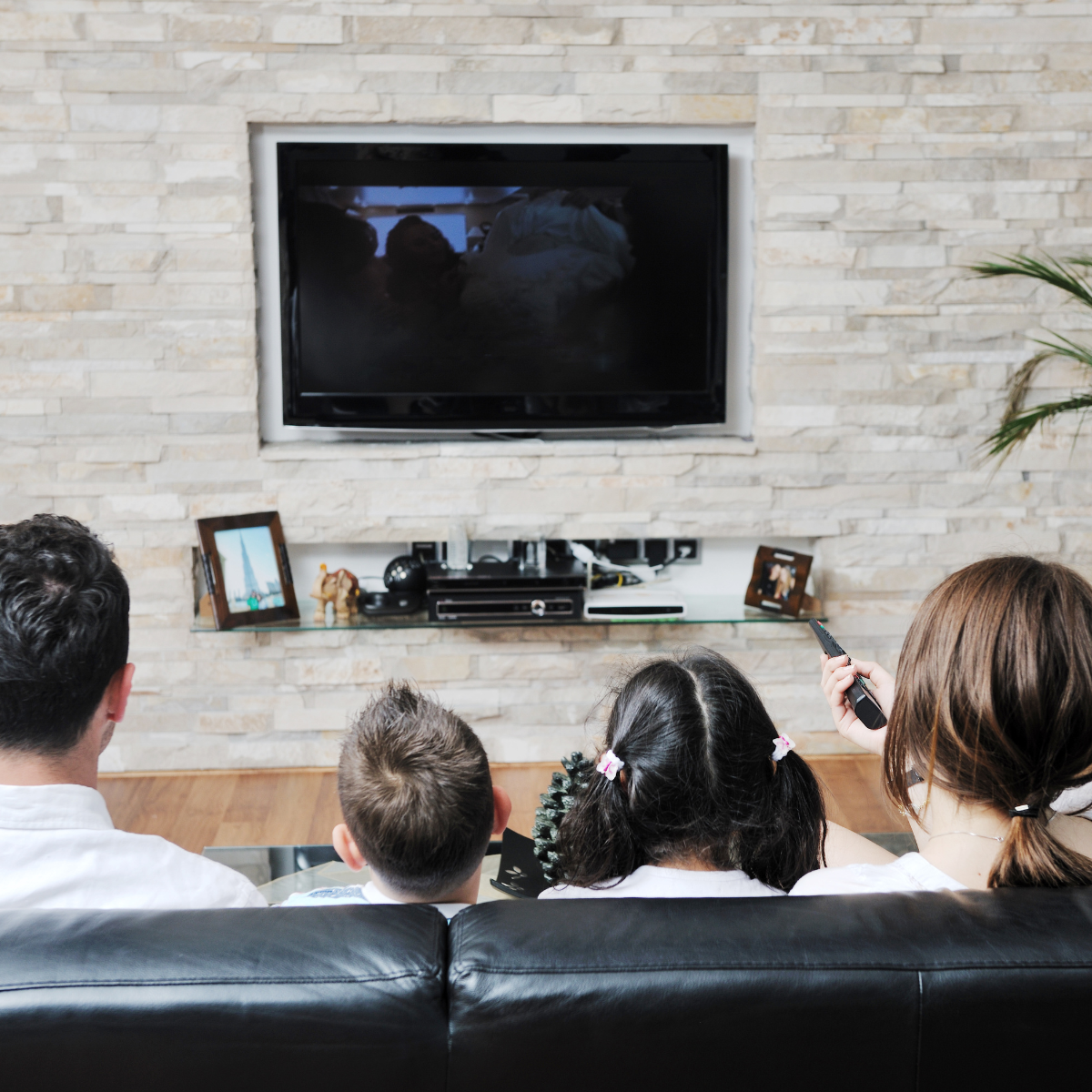
Families spend time together... without necessarily connecting
That isn't because anyone has designed it that way intentionally. It's simply what the room encourages.
Every room sends us messages. Sit here. Walk this way. Look there. Put your drink here.
Don't move that. Over time, we stop noticing those messages. Our brains simply respond to them.
Your Living Room is shaping how you use it
Most of this happens without us even thinking about it and without even realising it, you're constantly asking yourself questions: Can I stretch out comfortably? Where do I put my drink down? Where do the children's things go? Can I reach the lamp without standing up? Can I move through the room easily? Does this room help me feel comfortable? Is this somewhere people gather...or somewhere people simply watch?
Each question seems insignificant on its own but together, they influence how relaxed we feel.
When a room constantly asks us to think, adjust, move things or work around problems, it becomes much harder to switch off. Not because we're bad at relaxing, but because our environment keeps asking something of us.
The hidden signs your Living Room isn't supporting you
Sometimes the clues are surprisingly subtle. Perhaps everyone always sits in exactly the same chair while the rest of the room is rarely used.
Perhaps one person controls the television while everyone else naturally adapts around it. Maybe the room feels busy even when it's tidy.
Or perhaps you keep buying new cushions, throws or accessories, hoping they'll finally make the room feel cosy.
Yet something still feels missing. You can't quite explain why.
You simply don't enjoy spending time there as much as you feel you should.
These aren't signs that you need to redecorate or change your colour scheme. Instead, they're signs that the room may no longer support the life happening inside it.
Looking at your Living Room differently
Whenever I begin designing a space, I come back to three simple questions.
Feel
How does this room make you feel? Not how you want it to feel.
How it actually feels when you spend time there. Does it help you slow down?
Or does it leave you feeling restless?
Function
Does the room genuinely support everyday life? Can everyone sit comfortably?
Is there somewhere for the everyday things that naturally belong here? Does the lighting change with the time of day?
Does the room work for the way your family actually lives - not the way you think it should?
Flow
Can people move naturally through the room? Can conversations happen easily?
Does the layout encourage connection as much as entertainment?
Sometimes changing the position of one chair or introducing softer lighting has a greater impact than replacing an entire suite of furniture.
Often, it isn't the furniture that's creating the problem, it's how everything works together.
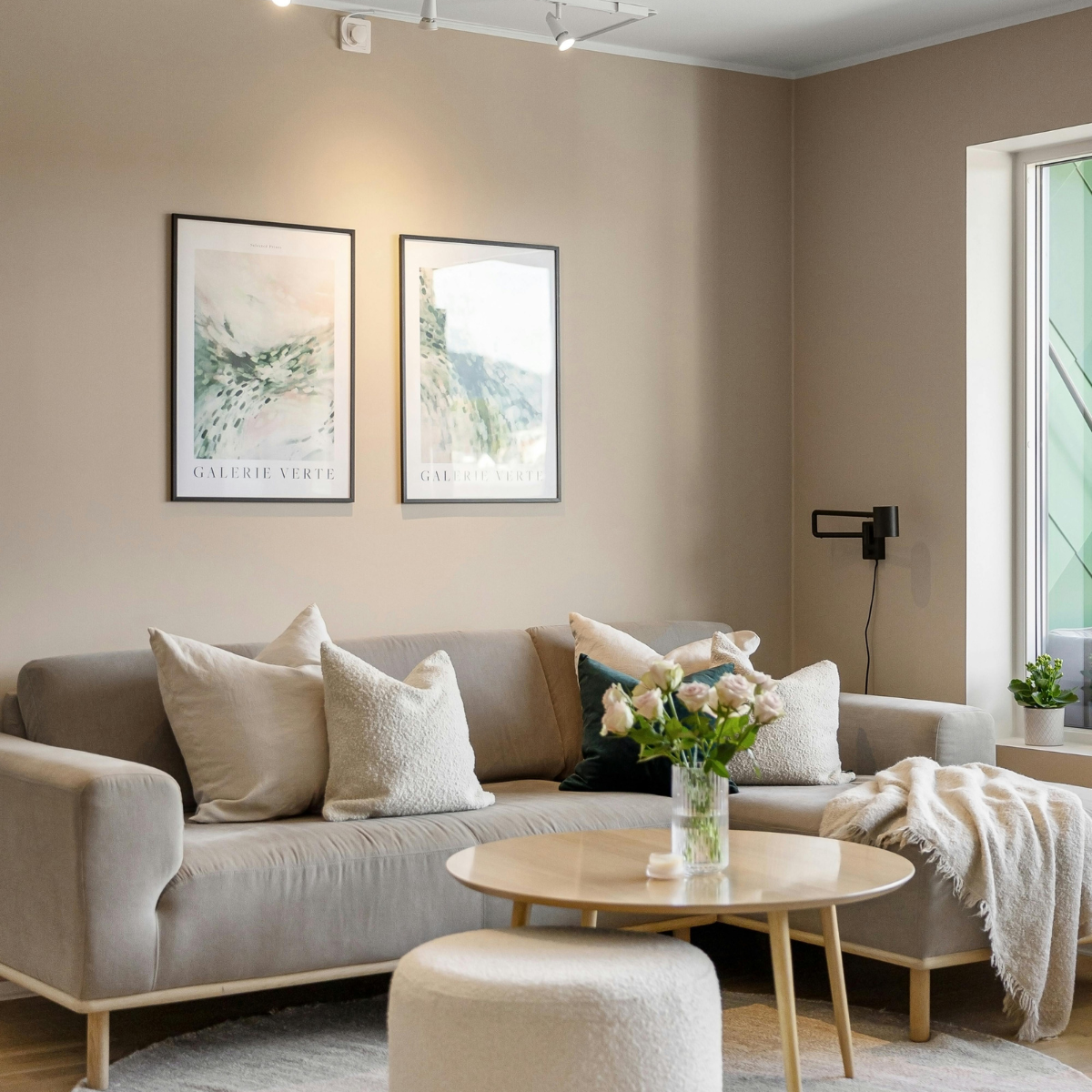
It's how everything works together.
Perhaps it isn't you
Many people tell themselves: "I can't switch off." "I never seem to use this room."
"I don't know why it doesn't feel right."
Perhaps your living room simply isn't supporting the life you're trying to live.
Your home is either supporting you...or making everyday life more difficult than it needs to be.
Once you begin to recognise that, you stop looking for quick decorating fixes and start asking much deeper questions.
And that's when everything begins to change.
I believe a living room should be more than somewhere to watch television.
It should be somewhere that helps you slow down. Somewhere conversations happen naturally. Somewhere you feel comfortable. Somewhere you can simply be.
A relaxing living room isn't created by buying more, it's created by designing a space that supports the life you actually live.
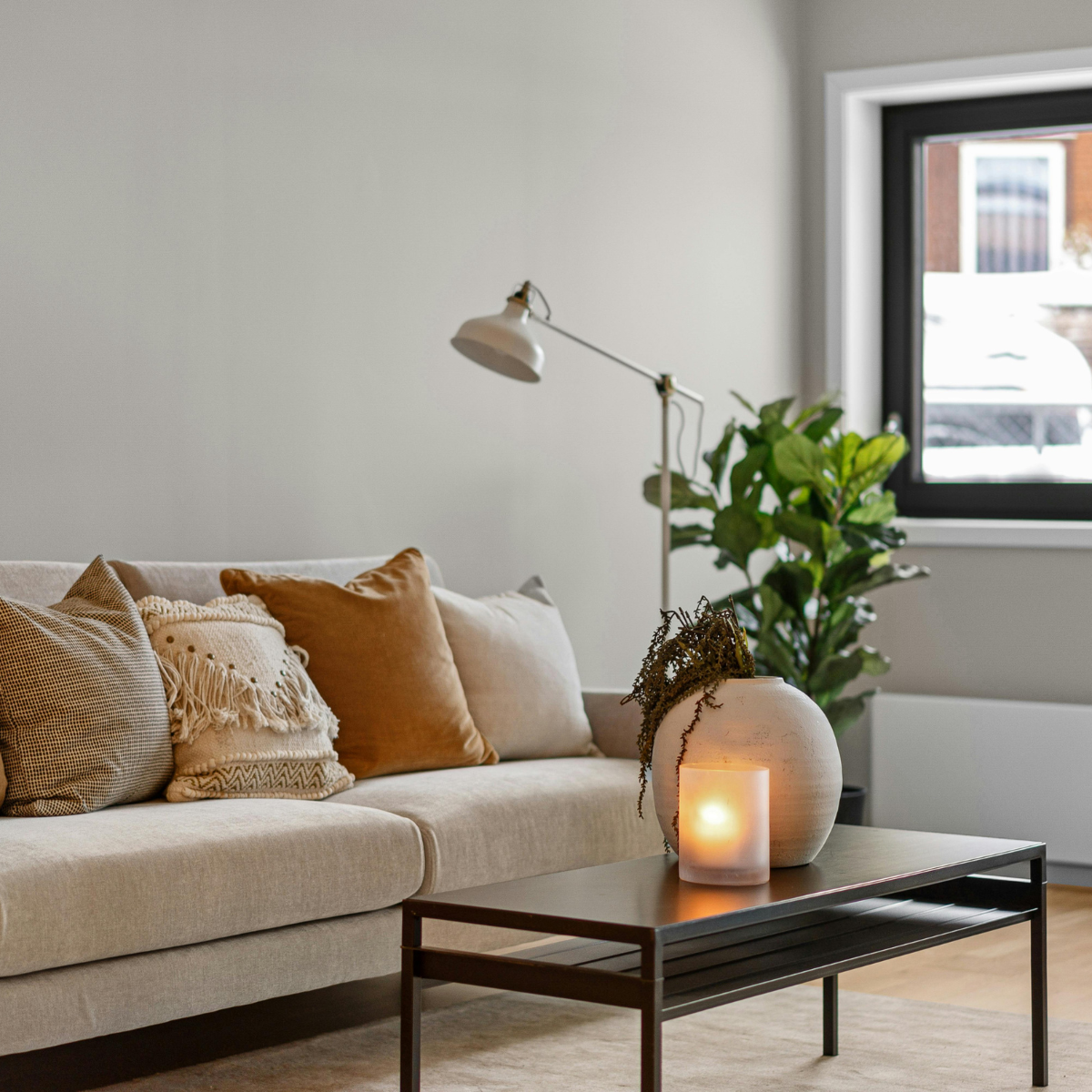
A relaxing living room isn't created by buying more.
Continue the Journey
This article is part of my One room at a time series, where we explore one room each month through the lens of:
Feel • Function • Flow.
If you'd like practical ideas, monthly challenges and a downloadable guide to help you transform your own home, join the journey below.