
The emotional side of Interior Design nobody talks about
Interior design is often seen as something visual - colours, furniture, finishes and styling but what many people don’t realise is that our homes affect us emotionally every single day. The spaces we live in quietly shape how we feel, think, behave and function, often without us even noticing.
When a home isn’t working properly, it rarely stays as “just a house problem.”
It becomes mental clutter, overwhelm and tension. This is often when frustration and exhaustion set in. And over time, that affects us far more than we realise.
Your home affects you more than you realise
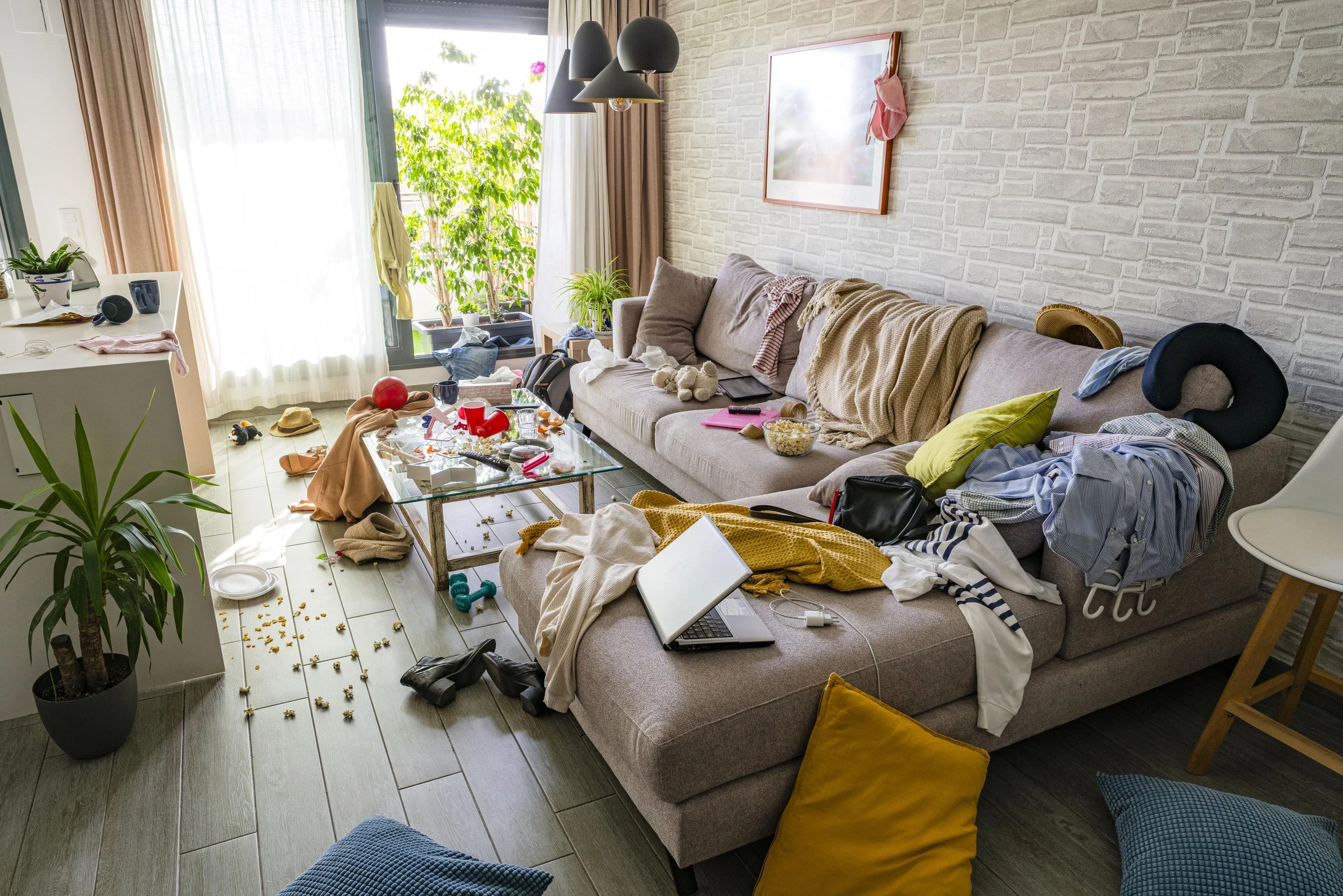
Image Credit: Caracol.com.co
Most people don’t immediately connect how they’re feeling with the environment around them.
Instead, they assume that they are the problem: they’re disorganised or bad at making decisions or are unable to switch off or are constantly behind and unmotivated and ultimately overwhelmed for “no real reason”.
But often, the space itself is working against them.
Poor layout, visual noise, lack of flow, insufficient storage, a room without a purpose or space that no longer fits the way someone lives can create a constant low-level feeling of stress and friction. Over time, that takes an emotional toll.
The signs are often subtle
Sometimes the signs look like: avoiding certain rooms; never fully relaxing at home; feeling unsettled without understanding why; endlessly moving furniture around; struggling to focus or switch off; tension within family routines; feeling emotionally “heavy” in a space or even adding a new purchase and that doesn’t enhance the space either!
People often know something doesn’t feel quite right ; they just can’t always put it into words. This is something I notice quickly when working with clients.
Often, what appears to be a design issue is actually a lifestyle issue being reflected through the home.
A home should support you — not drain you
The most powerful interiors aren’t necessarily the most expensive or the most styled. They’re the ones that support the people living in them.
A well-designed home can: create calm ; reduce mental overload; improve day-to-day routines; support focus and productivity; encourage connection and help someone feel ‘at home’ in their own space
You feel the difference immediately. Not because the room simply “looks nice” - but because it feels right.
Why this changes my approach to design
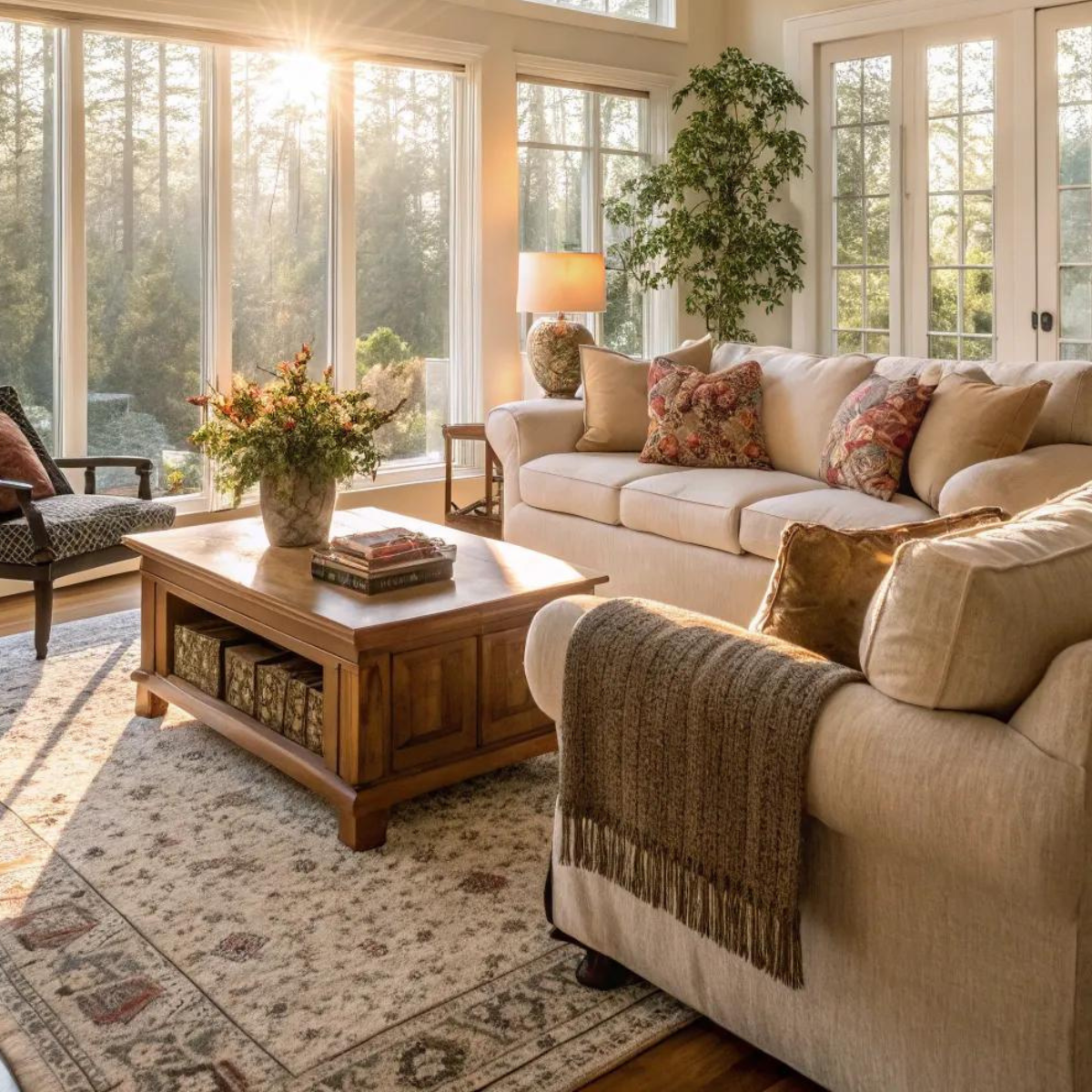
Image Credit: Casolia.com